Turtle Rescue and Rehabilitation
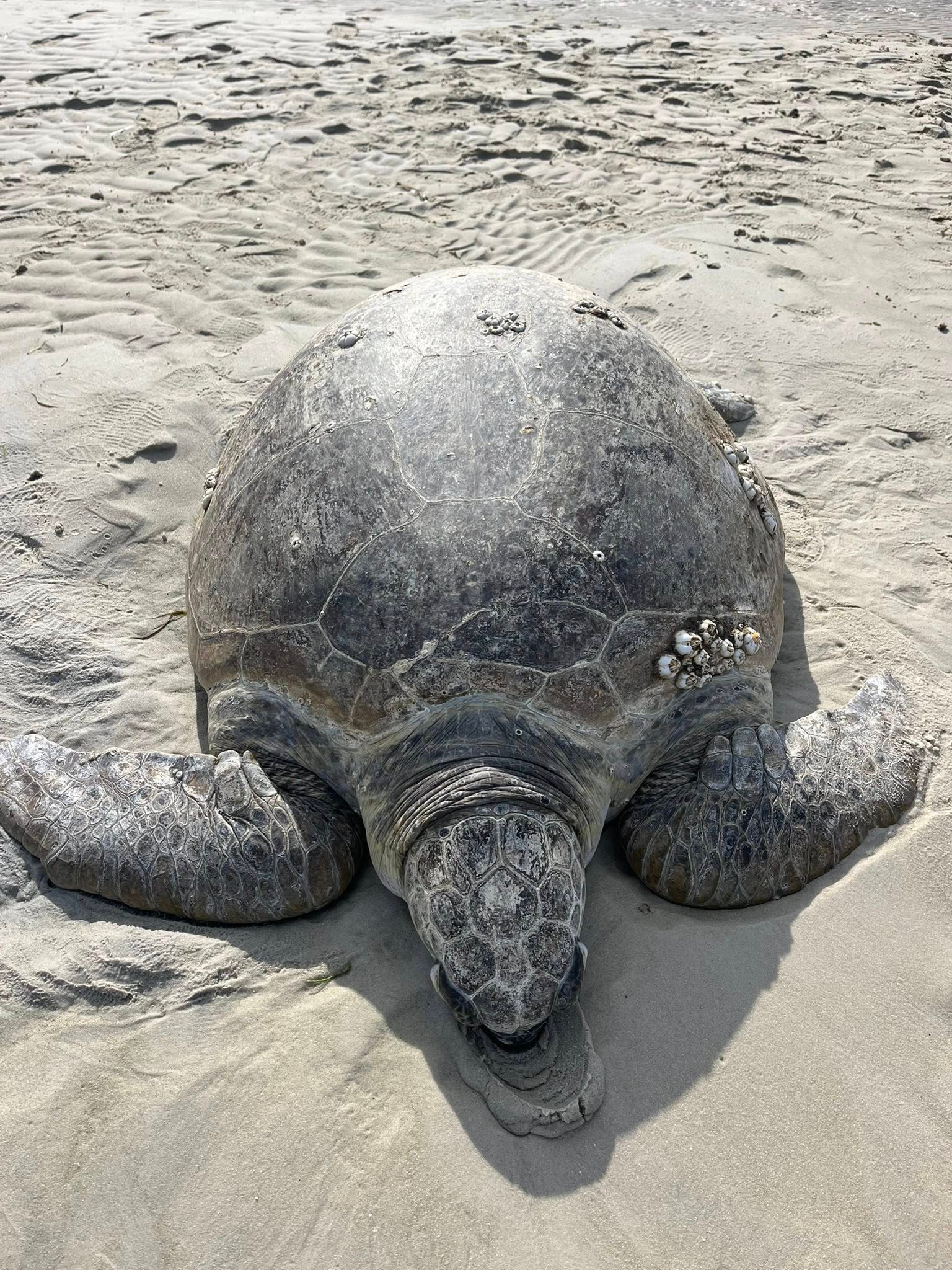
We rescue (and document) any turtles that are stranded in the Bribie Island area including Beachmere, Godwin Beach, Sandstone Point and Spinnaker Sound.
Our volunteers load the turtles into their cars for rehabilitation at Australia Zoo Wildlife Hospital. Sometimes they are sent to Sea World on the Gold Coast or Sea Life on the Sunshine Coast.
The Danger of Plastics
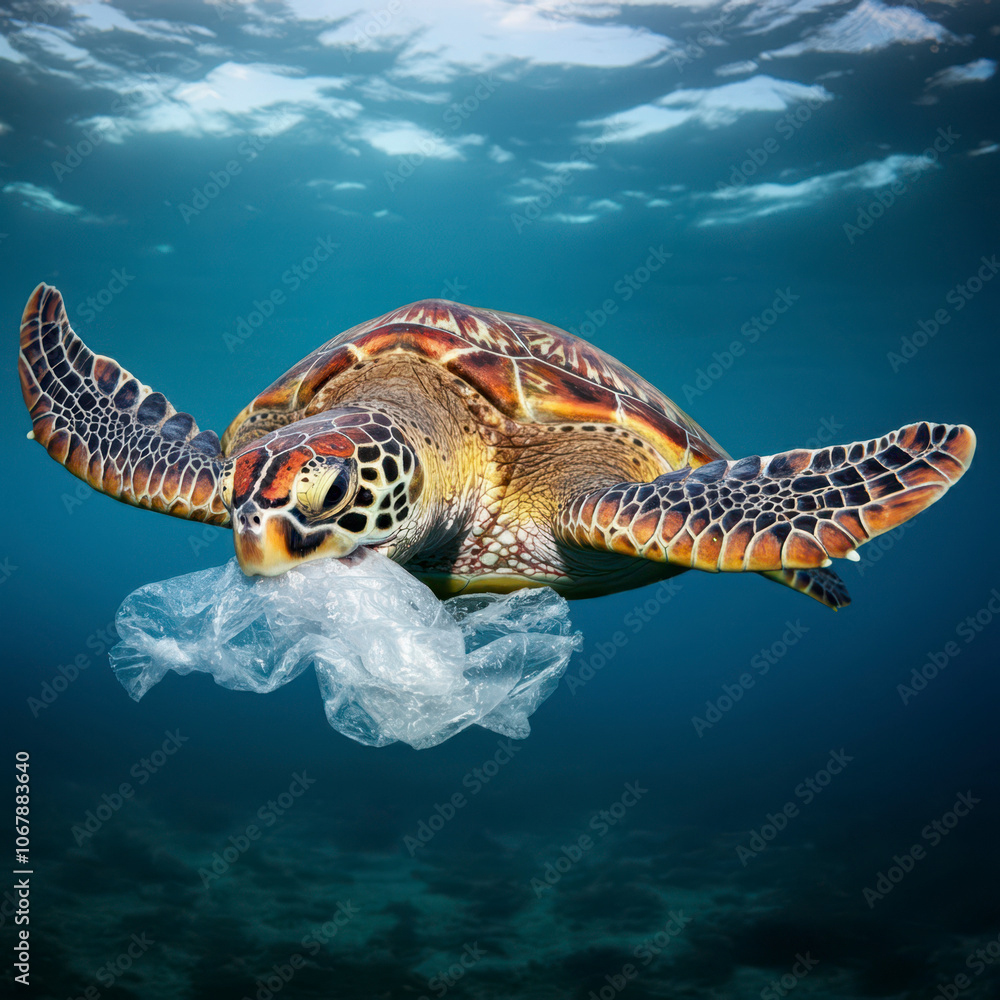
When plastic bags float in the ocean, they look like jelly fish. Turtles LOVE jelly fish.
Plastic can block their intestines and even pierce the intestinal wall causing internal bleeding.
Perhaps the most distressing fate of all is when the plastic in the turtle’s stomach imitates the sensation of being full. Turtles then neglect to seek out other food sources and ultimately die from starvation.
When turtles get entangled in plastic debris they risk choking to death, losing limbs and generally injuring themselves (sometimes beyond repair).
Read more about Plastic pollution and sea turtles.
Bloated and floating
Floaters syndrome in turtles is a condition of buoyancy where they cannot dive, often caused by a build-up of gas in their body. This is typically due to ingesting foreign objects like plastic, which blocks the digestive tract, or from injuries, infections, or parasites. The inability to dive makes it hard for them to eat, leaves them vulnerable to predators and boat strikes, and can lead to starvation and dehydration.
If you find a floating turtle, pin your location and contact BITTS.
Rehabilitation and Release
Once the turtles have fully recovered, we return them to the wild in the same area where they were found. Returning them to familiar surroundings is crucial for their survival and adaptation back into the ocean.